Showing posts with label Vitamins. Show all posts

Getting Rid of Acne Naturally

Let's face it, acne sucks! No one likes to have it and yet for many people it is inevitable. According to the American Academy of Dermatology, acne affects about 80% of all Americans between the ages of 12-44. It's also the most commonly treated skin abnormality.

We know it can be embarrassing and make us feel insecure about the way we appear to others.

Acne can be caused by so many different factors, and still there are natural treatments and remedies that will help you get rid of it.

*For the sake of keeping this post simple, I will not be discussing Acne Rosacea or Acne Vulgaris.  

Let's dive in...

What is acne?
http://img.webmd.com/dtmcms

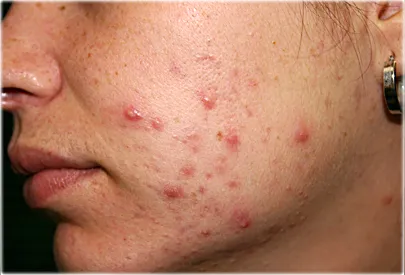
Acne is an inflammatory skin disorder that occurs when the natural oils in your skin begin to clog. When this occurs, bacteria is multiplied and the skin becomes inflamed. This characterizes itself in the form of blackheads, whiteheads, pimples, and sometimes cysts.


What causes acne?
Acne has several causes, but these are the main ones (you'll know which category you belong to):

  • Hereditary
  • Oily skin (FYI: this is NOT a bad thing and the more you try to remove the oil from your skin, the more your skin tries to replenish it, so don't. Appreciate this...you'll wrinkle slower than generational peers)
  • Hormone imbalance 
  • Monthly menstrual cycle
  • Candidiasis (If you suffer from candida, which is basically a fungal infection that can happen anywhere in the body, one of the best natural treatments I've seen for this has been Candida Freedom. They have pills and a soap. The soap is good for topical candida or acne.)
Now, there are other more common factors that contribute to acne that are easier to treat:
  • Nutritional deficiencies 
  • Poor diet high on saturated fats, hydrogenated fats and oils, and/or animal products
  • Drug use (e.g. steroids, lithium, oral contraceptives, and some anti-epileptic drugs)
  • Exposure to industrial pollutants (such as machine oils, coal tar derivatives, and chlorinated hydrocarbons) 
  • Stress - This one is a doozy. It's really the root of so many illnesses, so RELAX! =)


How can I get rid of acne naturally?
Depending on what the cause of your acne is from the two lists above, depends on the best solutions for treating it naturally.

When it comes to nutritional deficiencies and poor diet, that is something you have in your control.

Stay Away
Getting rid of nutrient-deficient foods, such as junk food, carbonated beverages, highly processed foods, sugar, enriched flour products, refined foods...etc, is the best way to start, even if you don't have acne. Here's a quick list of ingredients you should stay away from: Bad Ingredient List.

When it comes to drug use, just remember that your body absorbs everything you put inside and outside of it. Harmful chemicals that only add inflammation to your body, will not only cause acne, but other detrimental illnesses and diseases that are triggered by the same.

The skin is the largest organ in the body; you need to make sure you treat it as such and be methodical about how to care for it. I'm going to share with you the best nutrients and remedies to use if you do have acne.

Nutrients
According to Prescription for Nutritional Healing by Phyllis A. Balch, CNC, the top three nutrients to combat acne are the following:

  • Acidophilus - replenishes essential bacteria to reduce outbreaks (taking it pure is better than yogurt, but if you don't want to purchase it, than yogurt is better than nothing at all. Make sure it's not sugar-induced yogurt or your defeating the purpose).
  • Collodial silver - Take orally and apply topically with cotton. This is a natural antibiotic. (I personally use this anytime I feel I'm coming down with something. It's definitely always in my house)
  • Vitamin A - 25,000 IU daily until healed then reduce to 5,000 IU daily. If you are pregnant, do not exceed 10,000 IU daily. This vitamin strengths the protective skin tissue.

Natural Remedies 
  • Bentonite clay mask- This is one of my favorite things to do! Bentonite clay pulls toxins from the body and the clay mask really works wonderfully. I have hooked so many people on this mask for good reason. Click on the heading for the best way to use it. 
  • Stay away from toxins - I blogged on this as well a while ago and there a few key ingredients that you should steer clear from in your beauty products. 
  • Tea tree oil - this has been my go-to product for years the second I feel like a pimple is coming or once it has taken residence on my face. Tea tree oil is antimicrobial, which is why it's an amazing product for acne. I use the Tea Tree oil by Desert Essence
  • Clean up your diet and eat healthy whole foods - increase consumption of greens (veggies) and fruits
  • Drink lots of water - rule of thumb is to drink half your weight in ounces of water daily
  • Eliminate junk food, fried food (that's just more oil), saturated fats, hydrogenated fats, carbonated drinks, shortening, trans-fatty acids, refined foods and concentrated sugars
  • Limit alcohol intake - this contains lots of simple sugars that will only agitate acne
  • Eat a high-fiber diet - this helps clean you out of toxins as well


Consider this!
All disorders, pains and illnesses you feel are your body's way of telling you something is wrong. Taking medication without knowing the true cause is just telling your body to shut-up for a short while. Meanwhile, whatever the main cause is could be progressing at an alarming rate and damaging or compromising other organs or functions in your body.

The natural solutions offered could be permanent or temporary solutions. That all has to do with the cause behind your acne. Unless you know, find out from a medical professional.


As with all health posts, it is important to consult your doctor before beginning any treatments, especially if you are currently taking any medications. None of these statements have been approved by the FDA (if they had, I wouldn't post them =p...jk, but not really). 

My supplements list


I often get asked what supplements I use. I don't get paid to promote a brand (although I wish I did), but I use the products that I've researched and think are best for my body based on ingredients, methods of manufacturing and quality.

Here's a quick rundown of what I purchase for my husband and I:

A REAL food pyramid

While researching online, I came across probably the best food pyramid I've ever seen. I truly believe it is the most balanced one that has all the right items in order.

When you eat according to this chart, you'll feel better and even lose weight. When you eat like our society does, it's usually upside down and fats, dairy, sugar and medical pills (instead of supplements) get the best of you.

Eat well, live well.


Cheat Sheet for Vitamins

I'm a little obsessed with infographics and when I found this one by www.SelfMender.com, I knew I wanted to post it on my blog.


"B" Vitamin Breakdown

Garden of Life B Complex
Many people know about taking a "B Complex" but don't really know what B vitamins are good for. Here's a quick rundown of some of the overall benefits of the B vitamins:

  • B1 (Thiamine) - Used for neural function (brain), liver protection, nerve health, vascular health and kidney health in diabetics. 
  • B2 (Riboflavin) - Boosts folic acid's (B9) colorectal cancer protective effect (hence why B complex is necessary...they all work together synergistically), increases iron absorption and regulates red blood cell growth, memory, depression, healthy hair, nails, skin and vision. It also has some antioxidant capacity and is sometimes used as a natural yellow colorant in foods and cosmetics. 
  • B3 (Niacin) - Increases HDL (good) cholesterol and lowers LDL (bad) cholesterol and triglycerides, and is critically important for cardiovascular health. It aids in brain repair after a stroke. Niacinamide is known for treating fungal infections, fetal alcohol syndrome and may have a role in easing discomfort for multiple sclerosis by preventing NAD depletion. 
  • B5 (Pantothenic Acid) - Known to be involved as a coenzyme A precursor, it is also vital for metabolism and energy production in the body. Derivatives panthenol and pantethine are important for skin and hair health as well as helping to optimize a person's lipid profile (sound familiar? Pantene Pro-V tries to mimic this vitamin for their shampoos and conditioner). 
  • B6 (Pyridoxine) - In combination with folic acid and B12, it helps reduce homocysteine in the blood, which as implications for heart and brain health. Can also protect against colorectal and lung cancer, especially for smokers. B6 helps optimize nervous system health and can treat neuropathy and carpal tunnel syndrome. 
  • B7 (Biotin) - This vitamin is necessary for cell growth, the production of fatty acids, and the metabolism of fats and amino acids. not only assists in various metabolic reactions but also helps to transfer carbon dioxide. Biotin may also be helpful in maintaining a steady blood sugar level. This is the most popular vitamin for strengthening hair and nails and helping with skin. (I take this =p)
  • B9 (Folic Acid or Folate) - This is critical in reducing homocysteine in the blood (in combo with B6 and B12), a major risk in heart disease and stroke. It prevents neural tube birth defects in developing infants in utero, which is why it's recommended all women whether pregnant or in their child-bearing years take this important B vitamin. Usually 800mcg is the recommended dosage (also found in prenatals). It has been shown to improve vascular function and blood pressure in young women. 
  • B12 (Cynocobalamin or Methylcobalamin) - Useful in homocysteine reduction through its ability to convert folic acid to it's more active form (methylcobalamin) known to treat anemia in the elderly. It helps metabolize fats and carbs and is especially important in optimizing nerve health. Vegetarians have special needs to supplement B12 because their diets are naturally deficient in this critical nutrient. Most importantly, B12 is known best as the energy vitamin. It helps energize the cells and gives individuals that boost they need during the day. On a side note: methylcobalamin is the form I recommend because it is the active form and more readily available and ready to absorb.

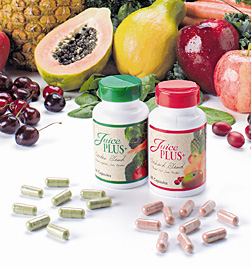
I'm really biased with which vitamins I use because I only want the best. The two companies that truly do organic fruits, vegetables and herbs in all of their formulas are Garden of Life and New Chapter (the two images shown above). Each vitamin comes from the mentioned sources. They do not isolate the vitamins and they are definitely not synthetic (which is what you find in most vitamins). The other company worth mentioning cannot be found in stores, it is JuicePlus+ (shown below). They have all fruits and vegetables in their products.

Natural Support for Diabetes

Diabetes is becoming increasingly common, especially among young children. In fact, a recent headline just read "366 Million People Now Have Diabetes". Our American diets don't help! With fast food at every corner, quick meals that contain little nourishment and high starch and sugar content, it's no wonder.

Everyday, more and more people are switching to natural products to support their overall health and current treatment regimen.

These are a few key things that diabetics can do to add a natural treatment:
  1. Diet for Diabetes. A healthy diet can help prevent and control diabetes. Choose a diet rich in lean protein, fresh fruits and vegetables, nuts, seeds, and fiber. Reduce or remove consumption if refined grains and sugar, which make blood sugar control more difficult. I know this is difficult, especially during the holidays, but keep your well being in mind.
  2. Exercise is Essential. It helps improve circulation, helps control body weight and may even improve blood sugar control.
  3. Daily Multivitamin for Health. A good multi is important for everyone since even the healthiest eaters don't always get every nutrient necessary. (I always recommend New Chapter or Garden of Life multi's since they are made with organic whole foods and herbs and don't contain sugar). In the case of diabetes, there are increased needs for nutrients because there may be impaired metabolism, loss of nutrients through frequent urination, and loss of nutrients due to medication.
  4. Supplemental Support. Any of these recommendations must be discussed with your health care practitioner if you have diabetes. Blood sugar may also be monitored while on natural treatments. Here are some of the best supplements for diabetes:
    • Chromium is an essential trace mineral that helps improve function of insulin. Studies have shown that this helps stabilize blood sugar levels.
    • Cinnamon may help decrease levels of blood sugar, cholesterol, and blood fats (bonus: it can help you lose weight)
    • Alpha Lipoic Acid is a powerful antioxidant in the body that is protective to the nerve cells.
These are just three of several amazing herbs and antioxidants that help boost a healthy lifestyle and helping individuals with diabetes. It's important to get control of your blood sugar and control of your health =)

Summer Skin.


Summer's here and so is the beaming sun! Here's a quick rundown of how to protect you and your family's skin in the summer heat, both externally and internally, so you can enjoy the great weather!

Externally:
  1. Maintain hydrated skin. Keep your skin clean and hydrated by using a natural cleanser and moisturizer and avoid harsh chemicals (For more info, check out the blog post on skin care ingredients). 
  2. Use sunscreen/sunblock. I'm incredibly bias in this one. I highly recommend Badger's SPF line. They are amazing with NO synthetic chemicals or ingredients. Some people complain that it's too thick but get over it, b/c it's wonderful! =) Read the ingredients for yourself and see. The price may look steep but a little goes a long ways.
  3. Use natural insect repellent. PLEASE, don't apply chemicals to your skin, much less your child's skin. There are great lines that use only essential oils and natural ingredients. If you want to mix your own, dilute citronella and eucalyptus in oil (1 part essential oil to 10-20 parts oil)
Internally:
  1. Drink LOTS OF PURE WATER! You needs to stay hydrated during the summer to help nourish the skin cells and allow for those water-soluble vitamins (like your B-complex) work better.
  2. Eat plenty of antioxident-rich foods like fruits and veggies and unrefined whole grains. 
  3. Eat good fats like those found in nuts, avocado, flax, chia, cold-water fish and olive oil. These healthy fats support moisture balance in the skin.
  4. Avoid refined and fried foods, like refined white flour, french fries, pastries, donuts...and you know the rest.
  5. Exercise. It can help your skin! Exercise improves your blood flow and oxygenation throughout the body, including skin cells. 

Key Supplements:
  • Antioxidents:
    • Green Tea- delays skin cell aging, soothes and heals stressed skin, and balances skin tone
    • Vitamin C- builds collagen, reduces redness and strengthens capillaries (don't forget that sugar eats away Vitamin C right out of the body!)
    • Vitamin E and Selenium- can help protect against UV-induced oxidative stress from the sun
    • Carotenoids- such as lutein and lycopene wich fight cellular damage caused by UV sun rays, which can help slow the visible signs of aging (carrots contain these components and more)
  • Essential Fatty Acids
    •  Borage oil, Flax seed, Fish oil, Hemp and Chia seeds are all great sources of EFA's which help keep moisture in the skin and maintain hydration, making the skin feel softer
  •  Hyaluronic Acid - this is a compound vital to healthy skin. It keeps collagen hydrated and youthful allowing moisture retention in the skin.
 Recovering after long summer days outdoors:
  • Sunburn occurs from overexposure to the sun. Aloe vera gel is used topically to sooth, cool and speed healing. It's even better if you use actual aloe vera gel from the plant. In addition, cocoa butter and shea butter nourish the skin after a long day in the sun.
  • Poison Ivy, Oak or Sumac are common weather issues in many parts of the U.S. during long hot days outdoors. Use a spray or gel made with jewelweed, which helps naturally relieve itching. Homeopathic remedies can also work great with poison ivy symptoms. 
  • Insect Bites/Stings is one of the most common for me. I really think I have amazing tasting blood b/c I always get bit! My husband says I imagine them and they appear. Not really, but it sure seems that way. The best aid I've personally used is tea tree oil to relieve itching. It's wonderful! You can also use Aloe vera to soothe irritated skin.
Follow these little tips and you'll have fun in the sun without the pain later =)

What is Ascorbic Acid, really?

During flu season and especially when feeling the onset of a cold coming, we always get out our trusty Vitamin C from the medicine cabinet. The typical dosage people take when feeling sick or for immune building is about 500-1000 mg a day (more when sick). But when you look closely at the bottle, 98% of the time you'll see ascorbic acid (or the less acidic form called ascorbate) as the main form of C, but I'll teach you a little something you may not know.

Ascorbic acid is NOT vitamin C. It represents the outer ring that serves as a protective shell for the entire vitamin C complex, much like an orange peel that serves as a protective shell for an orange.

In essence, you're not really taking Vitamin C. You're taking a synthetic form that is not as readily bioavailable as C from food. You're not getting the full benefits of what the entire C complex contains. For example, vitamin C contains the following components:
  • Rutin
  • Bioflavonoids (vitamin P)
  • Factor K
  • Factor J
  • Factor P
  • Tyrosinase
  • Ascorbinogen
  • Ascorbic Acid
New Chapter C Food Complex
It's unbelievable how many times I see people buying all or some of these in their synthetic form when all they have to do is consume foods containing vitamin C (which has the full complex) or taking a C supplement that is whole food based. 

Here's the deal: When you take only ascorbic acid found in your synthetic vitamin C tablet or powder, your body must get all of the other components listed above from your body’s tissues in order to make use of it. 

Garden of Life Raw Vitamin C
Please understand that ascorbic acid itself DOES NOT provide any of the health benefits that the full vitamin C complex does. 

After circulating through your system, the unused ascorbic acid is eliminated through your urine.

There are several GOOD supplement companies that offer food based vitamin C from the following sources: acerola fruit, amla berry, and camu camu. Two of my favorite supplement companies that ONLY use whole foods and herbs are New Chapter and Garden of Life. 

When looking at whole food based supplements, don't look for the same milligrams you're used to. All are NOT created equal. When you take 1000 mg of ascorbic acid, you only absorb about 10-30% of the tablet or capsule, which is why we take such high doses. When you consume natural forms of C, you're getting it from food, not from a foreign synthetic form that is unrecognized by your body. 

Bottom line: always try to take the food based form, whether in supplement or in food form, of vitamins and minerals for all your health needs, but especially with vitamin C.

RDA (Recommended Daily Amount) = 60mg
ODA (Optimum Daily Amount - good for daily use) = 1,000-3,000mg
TDA (Therapeutic Daily Allowance - by doctor's recommendation only) = 10,000mg

Truth About Soy.


In the past few years, soy production and sales have taken off. Our society has regarded soy as purely healthy food, but let me take this time to clear up some misconceptions about this bean:
Soy is a complete protein. What does that mean? Where other plant derived protein is lacking in one or more of the essential amino acids (our bodies make 12 out of 20 amino acids, but the remaining 8 need to be supplied by food we eat), soy has them all.
So what’s the problem? Let’s talk about two types of soy: non-fermented and fermented.
NON-FERMENTED = bad
The soy in this country is primarily non-fermented soy in the form of soy-protein isolate and soy milk. This is where the majority of the problems stem from because it is a highly processed, devitalizing and toxic food source.
“It is interesting that the soy industry promotes soy as a healthy way to prevent or treat osteoporosis when soy has been shown to deplete the body of vital minerals and vitamins necessary to maintain optimal bone structure and function.” (Dr. David Brownstein)
Soy-protein isolate contains enzyme inhibitors that block the body’s ability to digest protein. In addition, soy has been known to decrease fertility, cause thyroid problems, cause Vitamin B12 deficiency, lower metabolic rate (making it difficult to lose weight) among other things.
FERMENTED = good in moderation
Fermented soy, such as tofu, miso soup, tempeh, and natto are easily digested and assimilated into the body. It has been proven to lower cholesterol, remove the risk of heart disease, decreases menopausal symptoms such as hot flashes, mood swings, depression and anxiety.
Unfortunately, by eating too much soy in our diets, it does more harm than good. “High consumption of isoflavones, which are the estrogen-like plant chemicals contained in soy, may stimulate the production of breast cancer cells. It may also increase the chances of developing serious reproductive, thyroid, and liver problems.” (Kate Murphy)
SUMMARY
Soy does help with several issues; however, it only helps if it is fermented soy, not the genetically modified (processed) soy found in over 60% of grocery store foods AND only in small portions (not daily). If you find it too difficult to eliminate soy completely out of your diet, opt for the natural forms of soy.  
Despite what the soy industry says, fermented soy is eaten sparingly by Asians. When it is used in moderation, soy does not have the same negative influences on minerals, vitamins, and the thyroid that non-fermented form of soy does. Please remember to stay away from non-fermented soy, but I rather you stay away completely =)

Dr. David Brownstein, Natural Way to Health, “Dangers and Misconceptions About Soy and Your Health”, December 2008, Vol. 1, Issue 8.
Dr. Don Colbert, I Can Do This Diet (2010): 80-81.
Kate Murphy, “The Dark Side of Soy,” BusinessWeek.com, December 18, 2000, http://www.businessweek.com/2000/00_51/b3712218.htm (accessed September 19, 2009).

Vitamins and Minerals do what?


We have always known vitamins and minerals to be good for our body, but sometimes we don't really know off hand what they're good for in terms of keeping us healthy and how they support our many bodily functions.

So here's a quick list* that you can refer to regarding these natural substances and what they can do for you:
  • Vitamin A; Retinol; Beta-Carotene  = Fights infection; healthy vision and skin; bone growth; cell division
  • Vitamin B; Thiamine = Energy release; growth; healthy nervous system
  • Vitamin B2; Riboflavin = Energy release; growth; healthy eyes, skin, hair, and nails; formation of red blood cells
  • Vitamin B3; Niacin = Manufactures hormones; healthy eyes, skin, hair, and nails
  • Vitamin B5; Pantothenic Acid = Adrenal function; anti-stress
  • Vitamin B6; Pyridoxine = Protein metabolism; growth; infection protection; forms red blood cells and neurotransmitters; maintains hormone balance; healthy immune function
  • Vitamin B12 = Forms red blood cells; protects nerves; DNA formation
  • Biotin = Metabolism; fat synthesis; waste excretion
  • Vitamin C = Makes collagen; antioxidant; aids in iron absorption; essential for formation, growth, and repair of bones and skin
  • Calcium = Healthy bones and teeth; nerve impulses; muscle contraction
  • Choline = Metabolism
  • Copper = Blood and bone formation
  • Vitamin D = Calcium absorption; immune function
  • Vitamin E = Antioxidant
  • Folate; Folic Acid = Fertility; health during pregnancy; essential for healthy cell formation
  • Iodine = Thyroid hormones; metabolism; growth; reproduction
  • Iron = Forms red blood cells; circulation
  • Vitamin K = Protein created for blood clotting; bone health
  • Magnesium = Enzymes activation; energy production; cellular reproduction; muscle relaxation
  • Manganese = Antioxidant; energy production
  • Molybdenum = Iron usage; DNA metabolism
  • Phosphorus = Strong teeth and bones
  • Potassium = Fluid and pH level regulation; blood pressure regulation
  • Selenium = Antioxidant
  • Sodium = Fluid regulation
  • Zinc = Immune function; tissue formation
These are just a few of the more common vitamins and minerals. There are several more unlisted here but this is just to give you an idea of how these are used in our bodies.

You will always here me saying I recommend vitamins and minerals be absorbed in their natural state (fruits, vegetables, whole grains..etc), but there are times where supplements are necessary.

*List gathered from An A-Z Guide to Healing Foods by Elise Marie Collins