Showing posts with label Organic. Show all posts

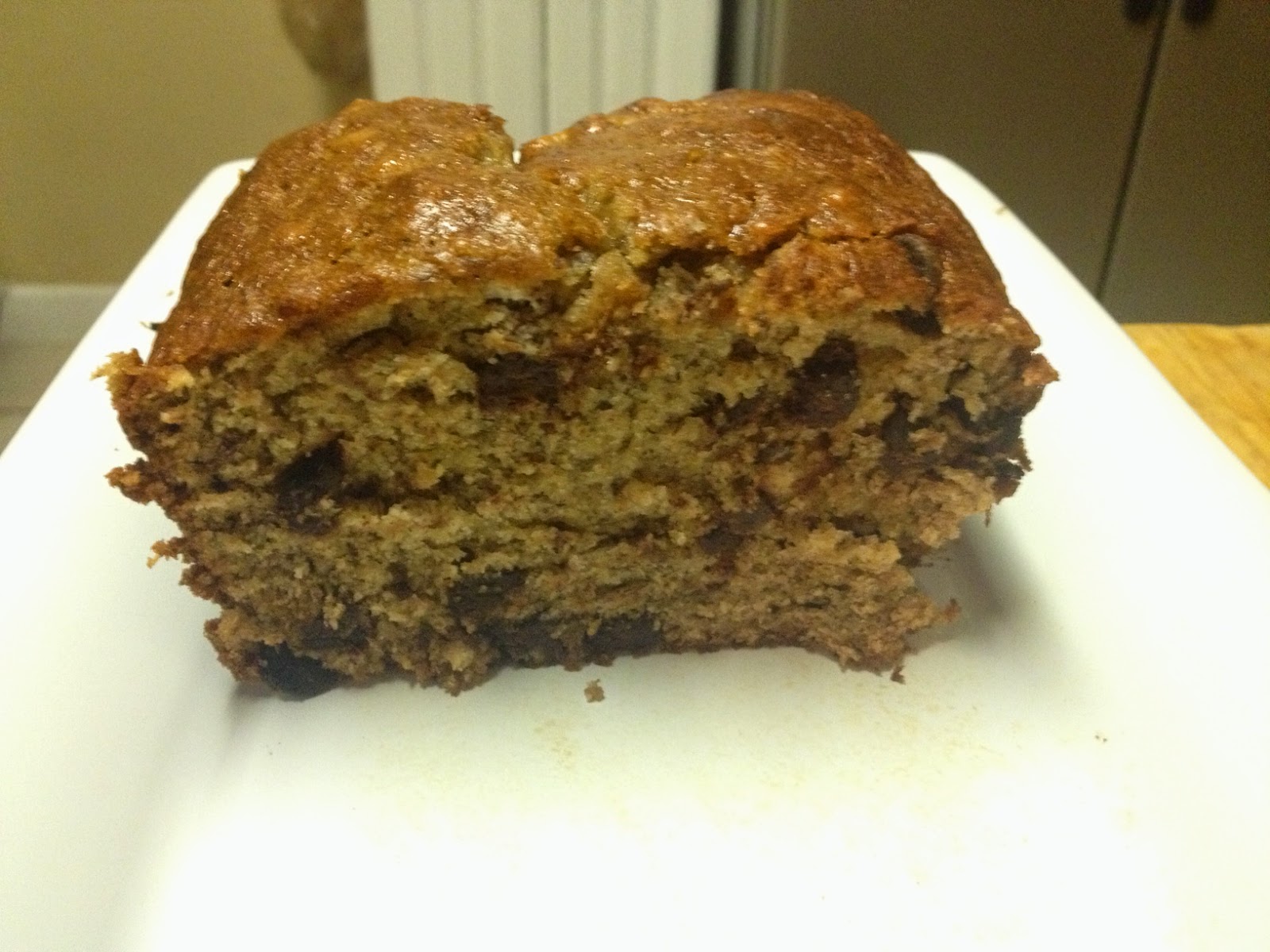
Organic Chocolate Chip Banana Bread

When life gives you ripe bananas, you make organic banana bread, and add chocolate...duh =)

Here's the recipe I use for my organic chocolate chip banana bread:

Ingredients

  • 2 cups organic all-purpose flour
  • 1 ½ teaspoons baking powder without aluminum
  • ½ teaspoon baking soda
  • ¼ teaspoon Himalayan salt
  • ½ teaspoon ground cinnamon (I probably did a little more)
  • ⅛ teaspoon ground nutmeg
  • 2 organic eggs
  • 1 ½ cups mashed ripe bananas (5 medium)
  • 1 cup organic sugar
  • ½ cup organic extra virgin olive oil
  • 1 cup chocolate chips
  1. Preheat oven to 350 degrees. In a large bowl, combine flour, baking powder, baking soda, salt, cinnamon, and nutmeg. 
  2. In a medium bowl, combine eggs, bananas, sugar and oil. Add egg mixture all at once to dry mix. 
  3. Stir until moistened. Mix in chocolate chips.
  4. Pour into bread pan (7 ½ x 3 ½ x 2- inches)
  5. Bake for 50 minutes or until fork or toothpick come out clean from center. The oven you has everything to do with how long you bake it. If you have a convectional oven, it may be around 40 minutes. Just check on it after 40 minutes regularly. 
  6. EAT! =)


10 Harmful Chemicals to Avoid

It feels like everywhere around you there is something that causes cancer, whether it's food, cleaning products, environmental toxins, clothes, furniture and the list can go on. This can be really overwhelming for people, especially those with children.

Parents Magazine published an article in 2013 about the results of specific chemicals that should be avoided. Many of those chemicals are "known or suspected" to be linked to cancer, early puberty, attention deficit hyperactivity disorder (ADHD), obesity, autism, and other serious health issues.

There seems to be so much to avoid that lists such as these are a great way to get started without feeling overwhelmed. The goal is to reduce the usage of any products that contain harmful chemicals.

Here is a summary of the list, with some additions, provided by the published article done by Parents Magazine:

1. Arsenic 

Linked to: Skin, bladder, kidney and lung cancers

Found in: 
  • Apple and grape juice
  • Rice products (which are contaminated through pesticides in groundwater) 
  • Pressure-treated wood made or manufactured before 2003
What you can do: 
  • Consume juices in small amounts
  • Limit amount of rice consumed and try to switch to 100% organic and, if possible, whole wheat products
  • Avoid older pressure-treated wood, which may be found in sandboxes, playgrounds, wing sets, decks. If your child gets a splinter, it can actually be absorbed into the skin.
Remember, the skin is the largest organ of the body and absorbs everything placed on it. For children, it absorbs at a much higher rate relative to their body size, so it's best to limit the exposure to these harmful chemicals as much as possible.

2. Formaldehyde 

Linked to: Skin irritants, allergies, respiratory symptoms, headache, fatigue, and nausea

Found in: 
  • Embalming fluid
  • Household products
  • Makeup
  • Skin care products
  • Baby wipes
  • Hair products
  • Pressured wood medium density fiberboard
  • Furniture
  • Glue and adhesives 
What you can do: 
  • Ventilate any furniture outdoors or in an open garage if you purchase wood made of pressboard or MDF that has been treated with this chemical.
  • Avoid beauty and household products that have these ingredients: 
    • Quaternium 15
    • Bronopol (also written as 2-bromo-2-nitropropane-1, 3-diol)
    • Diazolidinyl urea
    • DMDM hydantoin
    • Imidazolidinyl urea
    • Sodium hydroxymethylglycinate
3. Mercury 

Linked to: Impaired neurological development and high levels of ADHD 

Found in: 
  • Air pollution
  • Industrial waste
  • Fish (shellfish and larger fish that eat shellfish)
  • Older thermometers 
What you can do: 
  • Eliminate the consumption of large fish such as swordfish, shark, king mackerel, and tilefish from diet, especially if you're trying to conceive, are pregnant, or breastfeeding.
  • Unfortunately, there's nothing you can do about the air pollution, but if you live in a major city with a lot of pollution, try to make a weekly visit to a park surrounded by trees and clean air and inhale. 
  • Fight for clean air through the Clean Air Act
4.  Bisphenol A (BPA) and 5. Phthalates 

Linked to: endocrine disruptors, hormone disruptors (they mimic natural hormones and can affect reproductive development and health), early puberty, low testosterone for males and male reproductive problems. 

Found in: 
What you can do: 
  • Don't support or purchase any body products with "Fragrance" listed as an ingredient. They legally DO NOT have to tell you how many toxins are used in that word used to mask an array of chemicals including this one. 
    • This may come as a shock to you ladies, but it's in 99% of your products that are not organic. Use EWG to see what ingredients are found in the daily products you use. Purchase organic skin care products for your whole family.
  • Look for "PVC-free" raincoats and backpacks
  • Try to have cashiers drop the receipt in the bag to refrain from touching the chemical.
  • Avoid purchasing food and beverage cans, plastics and bottled formulas unless they are marked "BPA-free"
  • Do not microwave foods in plastic containers because they release this toil chemical and others into the food
  • Purchase "BPA-free" cups
6. Flame Retardants

Linked to: damaged reproductive systems (specifically polybrominated diphenyl ethers [PBDEs]), affected motor skills, learning, memory and hearing. 

Found in: 
  • Upholstered furniture (couches, pillows, mattresses, carpet padding)
    • Because the chemical is not bonded to foam, they can be released in the dust of the furniture as it ages (very scary!)
  • Electronics before 2014
  • Foam products manufactured before 2005
What you can do: 
  • Don't let babies put electronics, especially those mobile phones, in their mouths
  • Replace furniture and pillows if foam is old and beyond repair
  • Use a vacuum with HEPA filter and/or run HEPA air filters in rooms
  • Throw out older items such as car seats and mattress pads where the foam is not covered in a protective fabric
7. Fluoride

Linked to: cancer, discolored teeth, loss in tooth enamel, brittle bones, and neurotoxicity. 

Found in: 
  • Water supply
  • Toothpaste and mouthwash
  • Soil
What you can do: 
  • Switch to a toothpaste and mouthwash that does not contain fluoride. I personally use Now XyliWhite Toothpaste and love it! I have for over 4 years. 
  • Call your state department of environmental protection or municipal water supplier to see the level of fluoride in your waters. We do this every time we move to find out immediately.
  • Invest in purchasing a water filtration that does reverse osmosis. Use the EWG water filter buying guide before doing this. 
8. Pesticides 

Linked to: Non-Hodgkin lymphoma and leukemia in children and negative neurobehavioral development. 

Found in: 
  • Sprays to treat and kill inspects and weeds produce, outdoor lawns and gardens. 
  • Soil as a result of spraying
  • Groundwater supply as a result of spraying
  • Baby food and drinks
What you can do: 
  • Don't let children play in areas where pesticides have just been sprayed
  • Buy organic fruits and veggies!
  • Always wash fruits and veggies with a soft brush and water or peel and trim before eating. 
9. Lead 

Linked to: nervous system damage, stunted growth, kidney damage, and delayed development 

Found in: 
  • Homes built before 1978 that have not been in good repair (lead was found in wood and used in paint) 
  • Imported toys,
  • Jewelry 
  • Candy 
What you can do: 
  • If you live in a home built before 1978, be sure all the paint is in good condition as it contains lead and can be inhaled by young ones. Frequently mop and wipe surfaces with a damp cloth.
  • If you live in an older home, make sure to get a lead-safe certified contractor to do repairs
  • Avoid painted or metal toys older than 1978
  • Avoid purchasing imported toys and children's jewelry, especially from China
  • Do not buy candy made in Mexico
10. Perchlorate  

Linked to: high doses interferes with iodine absorption into the thyroid gland, which interferes with hormone production needed for growth and development.

Found in: 
  • Naturally occurring it is found in arid states in the southwestern U.S.
  • Industrial chemical contaminant used in rocket fuel, fireworks, explosives and flares
  • Bleach
  • Some fertilizers
  • Groundwater
  • Drinking water and irrigation all over the country
What you can do: 
  • Call your state department of environmental protection or municipal water supplier to see the level of perchlorate in your waters. 
  • Check with your doctor about taking an iodine supplement to boost thyroid function and offset any contaminants. 

My first square foot garden

Our goal in purchasing our almost 5 acres was to start being a little more self-sustaining. The process took us a few months while getting settled into our home, but with the first spring arriving, we took advantage and started building the raised garden beds. I have never gardened before so this was definitely a first for me.

We wanted to start by trying the square foot gardening method

For the first season, I made two 4x6 square foot gardens that contain the following crops (ALL ORGANIC seeds):
  • Roma Tomato
  • Sweetie Tomato
  • Lettuce
  • Spinach
  • Green Beans
  • Swiss Chard
  • Kale
  • Eggplant
  • Baby Watermelon
  • Cantaloupe
  • Cucumber
  • Red Pepper
  • Pepper Mix
  • Thyme
  • Beets
The soil used contains:
  • ⅓ vermiculite
  • ⅓ peat moss
  • ⅓ compost
This is the recipe from Mel's Mix, but instead of doing the math (it was giving us all major headaches), we purchased it pre made. We are not using ANY pesticides, herbicides or chemicals. Yes, I've lost a few bits to the insects, but we share land =).

Here's the process of how I completed it (with the help of a wonderful neighbor/friend):


Nailed the wood together (this wood is NOT treated because I did not want the chemicals on or near my crops)

Laid out the beds and stapled weed resistant tarp underneath to prevent weeds

Started laying out soil


Nailed twelve inches apart and wrapped in twine to show each square

The reasoning behind the layout of the crops was intentional. Certain crops garner good shade from others and some do really well near specific crops. After a few tweaks, this was the final layout for the two boxes:
Crops in each square in garden bed #1

Crops in each square in garden bed #2
Planted and watered the seeds 

Slowly the crops started rising within a week (some faster than others)

Week 2

Garden bed #1 


Spinach - Week 3

Green beans and swiss chard - Week 3

Garden bed #2

Garden bed #1

Kale


Week 5

We decided to fence it in, give the tomatoes their own trellis' and kill the grass and weeds with small river rocks

The location of our garden has between 8-9 hours of sun with the shaded part starting on the garden bed #1 where the tomatoes are located. It's been a fun and exciting process to see my garden grow from seeds to actual crops. They're not ready yet for harvest, but I'll be excited to eat it and juice it when it is!

My 10 Day Juice Fast


About a week ago, I watched the documentary Fat, Sick and Nearly Dead after my sister recommended it. She started juicing and lost 8 lbs in 10 days.

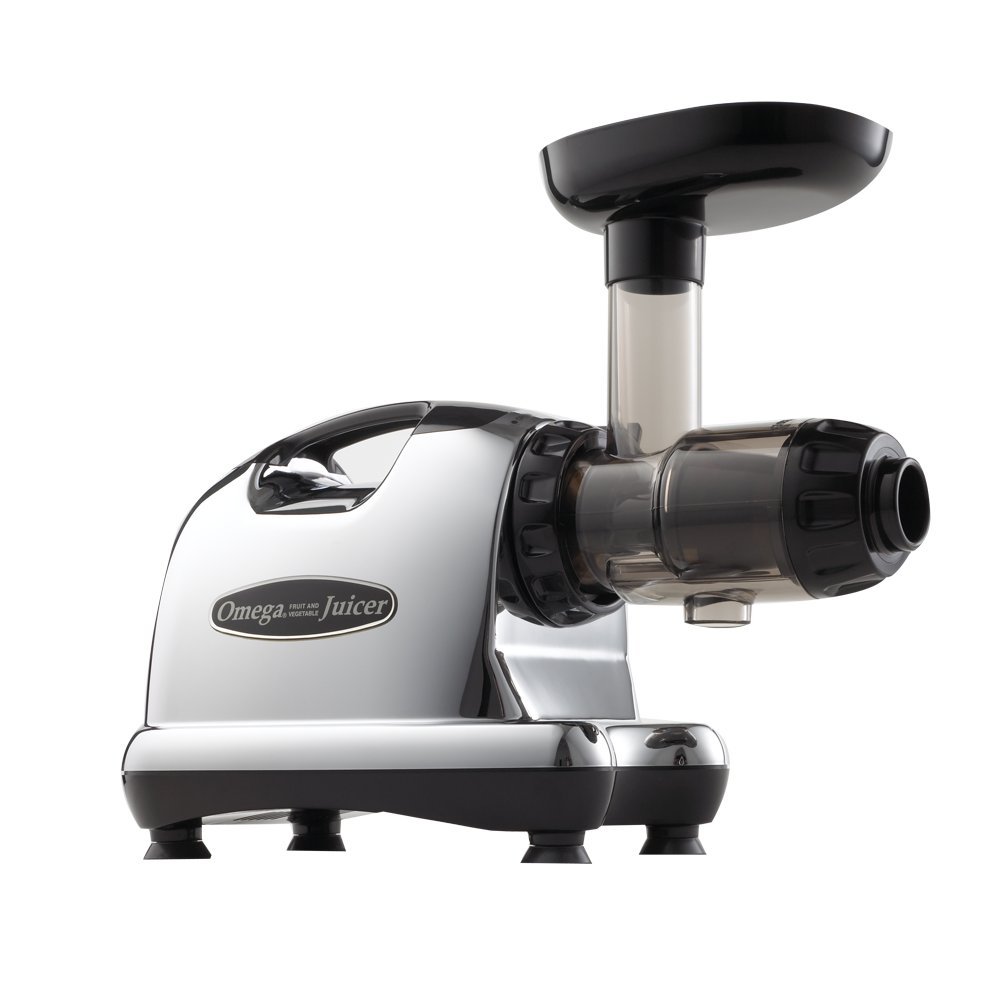
Since I've been in a rut and this documentary was incredibly inspiring, I decided I would do the same. My husband researched juicers we finally decided on the masticating juicer: Omega 8006. We ordered it....and waited anxiously.

A note about juicing: many people prefer not to do juicing because of the mess and cleanup needed as well as how much money it costs in items in order to juice enough. Another main complaint is that you lose all the fiber in the fruits.

The Benefits

After juicing for 10 days, I've never loved and believed in it so much. The benefits of juicing are:
  • Can reduce risk of cancer
  • Serves as a great cleanse
  • Boosts the immune system
  • Losing weight (in a healthy way)
  • Removes toxins from the body
  • Aids in digestion through the natural enzymes
  • Helps the body receive pure nutrients and minerals in an active state
  • Helps you eat more fruits and vegetables that you probably would eat or could in a given serving

Story of Cosmetics

Here's a great video in 8 mintues that gives a quick recap of what and how our cosmetic industry works:

Choose wisely...choose Ava Anderson Non-Toxic, I did =) www.SimplyJenelle.com

Why Organic Food?

Let's focus on two questions that have been asked often in recent years since organic foods have taken off:

1. What is Organic Food?
"Organic" refers not to the food itself, but to how the food is produced. "Organically grown" means foods are grown without the use of synthetic pesticides and fertilizers. They are minimally processed, many without added artificial ingredients, preservatives or irradiation. In short, organic food is grown as naturally as possible.
Organic also means that foods are produced without knowingly using genetically modified organisms (GMOs), a newer concern for many people (myself included). No organic farmer would knowingly purchase seeds that had been genetically modified. "Certified Organic" means that an independent organization (3rd party) has verified that the land where organic food is grown has been pesticide free for at least three years, and the farmers and processors are inspected annually to see that all their practices are being maintained.
Organic Seal
The USDA has changed organic food laws, creating new standards for labeling. To use the term "Organic" on the front of the label (or to use the USDA Organic seal), the company must conform to the following standards:
  •  100% Organic: 100% of ingredients in the product are organic
  • Organic: 95-100% of ingredients in the product are organic
  • Made with organic ingredients: 70-95% of the ingredients are organic
  • If a product has less than 70% organic ingredients, it can identify the ingredients as organic in the ingredient list only, not on the front of the package
 2. Why do people choose organic foods:
There is an increasing demand for organic food because consumers are beginning to understand the advantages that organic foods have over non-organic foods:
  • Organic foods are safer. The Environmental Protection Agency (EPA) considers 60% of all herbicides, 90% of all fungicides and 30% of all insecticides to be potentially cancer causing. Organic foods do not contains a lot of, or any, harmful pesticide residues that may lead to cancer or other disease conditions. 
  • Organic foods are better for the environment. Synthetic pesticides or fertilizers diminish soil quality and leave residues in water and land. Organic farming strives to build and maintain healthy soil. 
  • Organic foods taste better. I know this may seem like an opinion, and it is, but usually is very true. Organic farmers are committed to getting the highest quality produce to the consumer. Most farmers who grow organic produce pick the fruit or vegetable when it is in the truly ripe stage, and as a result, at its peak in flavor. 
  • Organic foods are nutritionally superior. This, and the first, are the main reasons I've chosen to only eat organic produce. One study found a higher mineral content in organic produce. Another study found a decrease in nutrition content of conventionally grown produce compared to previous years. Because organic foods are grown in healthy soil, they often retain more nutrition that their non-organic counterparts. 
This is just a basic overview of organic foods and why they're so important. Here's to healthy living =)