Showing posts with label Supplements. Show all posts

My supplements list


I often get asked what supplements I use. I don't get paid to promote a brand (although I wish I did), but I use the products that I've researched and think are best for my body based on ingredients, methods of manufacturing and quality.

Here's a quick rundown of what I purchase for my husband and I:

"B" Vitamin Breakdown

Garden of Life B Complex
Many people know about taking a "B Complex" but don't really know what B vitamins are good for. Here's a quick rundown of some of the overall benefits of the B vitamins:

  • B1 (Thiamine) - Used for neural function (brain), liver protection, nerve health, vascular health and kidney health in diabetics. 
  • B2 (Riboflavin) - Boosts folic acid's (B9) colorectal cancer protective effect (hence why B complex is necessary...they all work together synergistically), increases iron absorption and regulates red blood cell growth, memory, depression, healthy hair, nails, skin and vision. It also has some antioxidant capacity and is sometimes used as a natural yellow colorant in foods and cosmetics. 
  • B3 (Niacin) - Increases HDL (good) cholesterol and lowers LDL (bad) cholesterol and triglycerides, and is critically important for cardiovascular health. It aids in brain repair after a stroke. Niacinamide is known for treating fungal infections, fetal alcohol syndrome and may have a role in easing discomfort for multiple sclerosis by preventing NAD depletion. 
  • B5 (Pantothenic Acid) - Known to be involved as a coenzyme A precursor, it is also vital for metabolism and energy production in the body. Derivatives panthenol and pantethine are important for skin and hair health as well as helping to optimize a person's lipid profile (sound familiar? Pantene Pro-V tries to mimic this vitamin for their shampoos and conditioner). 
  • B6 (Pyridoxine) - In combination with folic acid and B12, it helps reduce homocysteine in the blood, which as implications for heart and brain health. Can also protect against colorectal and lung cancer, especially for smokers. B6 helps optimize nervous system health and can treat neuropathy and carpal tunnel syndrome. 
  • B7 (Biotin) - This vitamin is necessary for cell growth, the production of fatty acids, and the metabolism of fats and amino acids. not only assists in various metabolic reactions but also helps to transfer carbon dioxide. Biotin may also be helpful in maintaining a steady blood sugar level. This is the most popular vitamin for strengthening hair and nails and helping with skin. (I take this =p)
  • B9 (Folic Acid or Folate) - This is critical in reducing homocysteine in the blood (in combo with B6 and B12), a major risk in heart disease and stroke. It prevents neural tube birth defects in developing infants in utero, which is why it's recommended all women whether pregnant or in their child-bearing years take this important B vitamin. Usually 800mcg is the recommended dosage (also found in prenatals). It has been shown to improve vascular function and blood pressure in young women. 
  • B12 (Cynocobalamin or Methylcobalamin) - Useful in homocysteine reduction through its ability to convert folic acid to it's more active form (methylcobalamin) known to treat anemia in the elderly. It helps metabolize fats and carbs and is especially important in optimizing nerve health. Vegetarians have special needs to supplement B12 because their diets are naturally deficient in this critical nutrient. Most importantly, B12 is known best as the energy vitamin. It helps energize the cells and gives individuals that boost they need during the day. On a side note: methylcobalamin is the form I recommend because it is the active form and more readily available and ready to absorb.

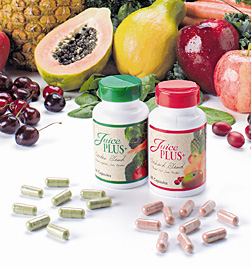
I'm really biased with which vitamins I use because I only want the best. The two companies that truly do organic fruits, vegetables and herbs in all of their formulas are Garden of Life and New Chapter (the two images shown above). Each vitamin comes from the mentioned sources. They do not isolate the vitamins and they are definitely not synthetic (which is what you find in most vitamins). The other company worth mentioning cannot be found in stores, it is JuicePlus+ (shown below). They have all fruits and vegetables in their products.

Winter Wellness

It's that time of season when people are getting sick (I just got over it myself) with fever, sore throat, flu, cough, allergies...etc.

Here are a few things that can help:

  • Vitamin C and Honey: a combo of vitamin C and 1 tsp of honey in the morning and evening can be especially valuable in the winter months.
  • Olive Leaf: has an ORAC value of over 4,000 (that's more than the praised Acai). This is an excellent destroyer of free radicals.
  • Collodial Silver: huge immune booster and also antiviral
  • Healthy Fats and Fiber: good fats, including omega-3 fatty acids from fish oil supplements, help reduce inflammation, helping the immune system focus on fighting the infection.
  • Vitamin D: this vitamin does a million things, but one it does well is switch on a gene that makes a natural antiviral and antibiotic substance in our bodies that help us speed recovery. Adults should take 2,000 IU daily.
  • Probiotics: this is "friendly" bacteria that helps prevent invading bugs from taking residence in the gut. Priobiotics boost the immune response. 5 billion units per daily serving is a good start.
  • Astragalus: this herb is used in Chinese medicine and is an adaptogen that strengthen's your body's resistance to disease. Look for standarized extracts.
  • Echinacea: mainly used to help treat colds and flu. Doctors recommend 50-150mg daily during illness.
  • Beta-Glucan: this is found in some grains, mushrooms, and yeasts and helps lower cholesterol. In addition, it helps protect against viral infection. Doctors recommend a range from 3-15 grams per day.
  • Homeopathy: when flu-like symptoms appear, try Boiron's Oscillococcinum. It really works and easily disolves under the tongue.
  • Elderberry: has shown that it speeds recovery from flu
  • Ginger: this is a powerhouse antioxident that has over 5,000 different attributes that are beneficial to the body. It's great as a tea!
    Other remedies: a few other ways to ward of unwanted invaders is garlic, spirulina and zinc.
Stay healthy! =)

Radiation protection.

Photo by Dee Stecco
In the wake of the devastating earthquake, which aside from killing thousands, has also affected a radiation plant, much concern has been raised about the security of our bodies and radiation levels.

The past two weeks alone, we've taken requests and special orders for potassium iodide because we were sold out immediately at our store. People are scared and for good reason. The thyroid is the main organ that is affected by radiation. Potassium iodide provides the necessary iodine levels to protect the thyroid from additional iodine in the form of radiation.

What purpose does the thyroid gland have? It produces thyroid hormones which controls how quickly the body uses energy, makes proteins, and controls how sensitive the body should be to other hormones. This is why individuals with hypothyroidism (mostly found in women) have issues ranging from weight gain and water retention, muscle cramps, fatigue, and depression, to state a few.

The best way I can describe why people take potassium iodide is to fill the thyroid like a balloon with the iodine so that when iodine from radiation tries to penetrate, it has no room. Those individuals with iodine deficiency should be concerned and try to get those levels at a normal rate.

The most common form of iodine is found in kelp (other sources of iodine are Himalayan salt, dulse, asparagus, garlic, seafood and spinach) . I use a supplement of iodine from kelp once a week at most because I consume foods with iodine. The liquid I use only supplies with 150mcg per serving. For those in the line of fire with excessive radiation, that amount will not cut it. There is a great product that contains 150mg (150,000mcg) of potassium iodide in each serving. Appropriately, it's called Nuke Protect.

For those with an under-active thyroid (hypothyroidism) the recommended dosage is 2,000-5,000mg of iodide a day* (Prescription for Nutritional Healing, 4th Edition, Phyllis A. Balch, CN). If this is a concern for you and your family, it's always best to do as much research as possible before starting any medication or supplement.


*Always consult your healthcare practitioner prior to beginning any new treatment

CoQ10 or Ubiquinol?

If you know what CoQ10 and/or Ubiquinol are, you've probably asked this question. If you have no idea, you'll learn a little something today. 

What is CoQ10 (Coenzyme Q10 or Ubiquinone)? This is a naturally occurring compound found in every cell in the body. It plays a key role in producing energy in the mitochondria, the part of a cell responsible for the production of energy in the form of ATP. 

Where is it found or made? Some CoQ10 is made in the liver and it is found in most food sources including meat, fish, whole grains, nuts and green vegetables. But, from the age of 20, cell levels of CoQ10 naturally start to decline so that cells do not receive all the energy they need.

Jarrow QH-absorb Ubiquinol (made with KanekaQ10™)
Why do people take supplemental CoQ10 or Ubiquinol? Because CoQ10 is made primarily in the liver, as is cholesterol, when people take statin drugs to reduce or stop the production of cholesterol (both good and bad), they also hinder the production of CoQ10. Why is this a problem? Because without CoQ10, heart failure can occur. CoQ10 is thought to increase energy production in the heart muscle, increasing the strength of the pumping action.

CoQ10 is also used for the following:
  • Cardiomyopathy
  • Heart Attack Prevention and Recovery
  • High Blood Pressure
  • Diabetes
  • Gum Disease
  • Kidney Failure
  • Migraine
  • Counteract Prescription Drug Effects
  • Parkinson's disease
  • Weight loss
Life Extention Ubiquinol (made with KanekaQ10™)
What is the difference between CoQ10 and Ubiquinol? Ubiquinol is the reduced or active form of CoQ10, so it yields the same benefits of CoQ10, but with improved absorption. So in essence, you get more bang for your buck. CoQ10 itself can be activated in the body, but this activation can be less efficient in some people, making Ubiquinol the preferred form (it's the form I always recommend).

Ubiquinol costs more, but it's the more absorbent form. 

ReserveAge Ubiquinol
Just a little heads up for purchasing Ubiquinol: a superior source is one from KanekaQ10™. It is the only yeast-fermented all-natural CoQ10 available today. 

KanekaQ10™ is the most thoroughly tested and highest quality bio-identical CoQ10 in the world. One line I love that happens to not use KanekaQ10™ is ReserveAge Organics. I love their products and it is still ubinquinol.

What is Ascorbic Acid, really?

During flu season and especially when feeling the onset of a cold coming, we always get out our trusty Vitamin C from the medicine cabinet. The typical dosage people take when feeling sick or for immune building is about 500-1000 mg a day (more when sick). But when you look closely at the bottle, 98% of the time you'll see ascorbic acid (or the less acidic form called ascorbate) as the main form of C, but I'll teach you a little something you may not know.

Ascorbic acid is NOT vitamin C. It represents the outer ring that serves as a protective shell for the entire vitamin C complex, much like an orange peel that serves as a protective shell for an orange.

In essence, you're not really taking Vitamin C. You're taking a synthetic form that is not as readily bioavailable as C from food. You're not getting the full benefits of what the entire C complex contains. For example, vitamin C contains the following components:
  • Rutin
  • Bioflavonoids (vitamin P)
  • Factor K
  • Factor J
  • Factor P
  • Tyrosinase
  • Ascorbinogen
  • Ascorbic Acid
New Chapter C Food Complex
It's unbelievable how many times I see people buying all or some of these in their synthetic form when all they have to do is consume foods containing vitamin C (which has the full complex) or taking a C supplement that is whole food based. 

Here's the deal: When you take only ascorbic acid found in your synthetic vitamin C tablet or powder, your body must get all of the other components listed above from your body’s tissues in order to make use of it. 

Garden of Life Raw Vitamin C
Please understand that ascorbic acid itself DOES NOT provide any of the health benefits that the full vitamin C complex does. 

After circulating through your system, the unused ascorbic acid is eliminated through your urine.

There are several GOOD supplement companies that offer food based vitamin C from the following sources: acerola fruit, amla berry, and camu camu. Two of my favorite supplement companies that ONLY use whole foods and herbs are New Chapter and Garden of Life. 

When looking at whole food based supplements, don't look for the same milligrams you're used to. All are NOT created equal. When you take 1000 mg of ascorbic acid, you only absorb about 10-30% of the tablet or capsule, which is why we take such high doses. When you consume natural forms of C, you're getting it from food, not from a foreign synthetic form that is unrecognized by your body. 

Bottom line: always try to take the food based form, whether in supplement or in food form, of vitamins and minerals for all your health needs, but especially with vitamin C.

RDA (Recommended Daily Amount) = 60mg
ODA (Optimum Daily Amount - good for daily use) = 1,000-3,000mg
TDA (Therapeutic Daily Allowance - by doctor's recommendation only) = 10,000mg